
Maximizing Efficiency and Reliability in Hydraulic Power Unit Design
Learn how to optimize hydraulic power units for maximum efficiency and reliability.
Connect with our TeamStrategies for Enhancing Hydraulic Power Unit Performance
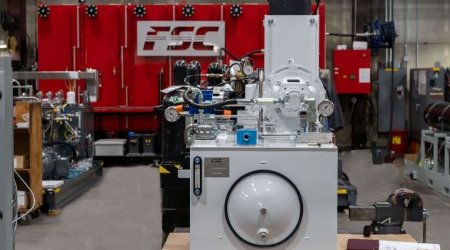
Designing a hydraulic power unit requires a meticulous approach to ensure both efficiency and reliability. Here are seven key strategies to enhance the performance of your hydraulic power units, making them more suitable for various industrial applications.
Assess the power and force requirements meticulously. This involves understanding the total demand on the hydraulic system, including peak and continuous loads. Accurate assessment helps in selecting the right size and type of components, which can significantly influence the unit's efficiency and reliability.
Optimize for the operating environment. The conditions under which the unit will operate can impact its design significantly. For example, units operating in extremely cold or hot environments might require special modifications like heaters or coolers to maintain optimal performance. Additionally, consider the cleanliness of the environment to determine the necessary filtration and protective measures.
Customize for specific applications. While standard units are sufficient for many operations, certain applications may benefit from customized solutions. Tailoring units to specific needs can lead to better performance, easier integration, and increased lifespan. This includes choosing the right materials and technologies suited for the application’s demands.
Prioritize serviceability to extend service life. Design the unit with maintenance in mind to ensure that routine checks and component replacements can be performed easily and quickly. This reduces downtime and operational costs over the unit’s lifespan.
Implement noise reduction techniques. Noise can be a significant issue in many industrial environments. Employing advanced noise reduction technologies and designing the unit to minimize vibration can enhance operator comfort and comply with regulatory standards.
Enhance energy efficiency. Designing with energy efficiency in mind is crucial. Select components that provide the necessary performance without excessive energy consumption. Consider systems that can adjust their operation based on real-time demands to reduce energy usage when full power is not required.
Balance initial cost with long-term value. While the initial setup cost of a hydraulic power unit might be a significant investment, choosing high-quality components can reduce long-term costs associated with maintenance, downtime, and replacement. A slightly higher upfront cost can lead to substantial savings in the future.
Talk to our Engineers
Nothing Can Stop You Now
No Gaps.
With Fluid System Components, there are no gaps because you have everything you need in one place, from parts to prototyping to testing.
No Games.
With Fluid System Components, there are no games because you have a proactive partner who knows how much is at stake and will always follow through.
No Guesswork.
With Fluid System Components, there's no guesswork because you have a provider that brings real engineering expertise, from sales to support.